COP31 opened in Antalya on Monday 9 November with one question dominating the talks: who pays for adaptation?
According to the UN Environment Programme’s 2026 Adaptation Gap Report, released days before the summit, developing countries will need an estimated US$305 billion a year for adaptation by 2035, and even tripling international public adaptation finance would meet less than 30% of that need.
That gap won’t stay on the negotiating table. Unfunded adaptation means more flood, heat and drought disruption reaching the businesses that make up global supply chains, and the insurers who cover them.
Physical Risk Travels Through Suppliers
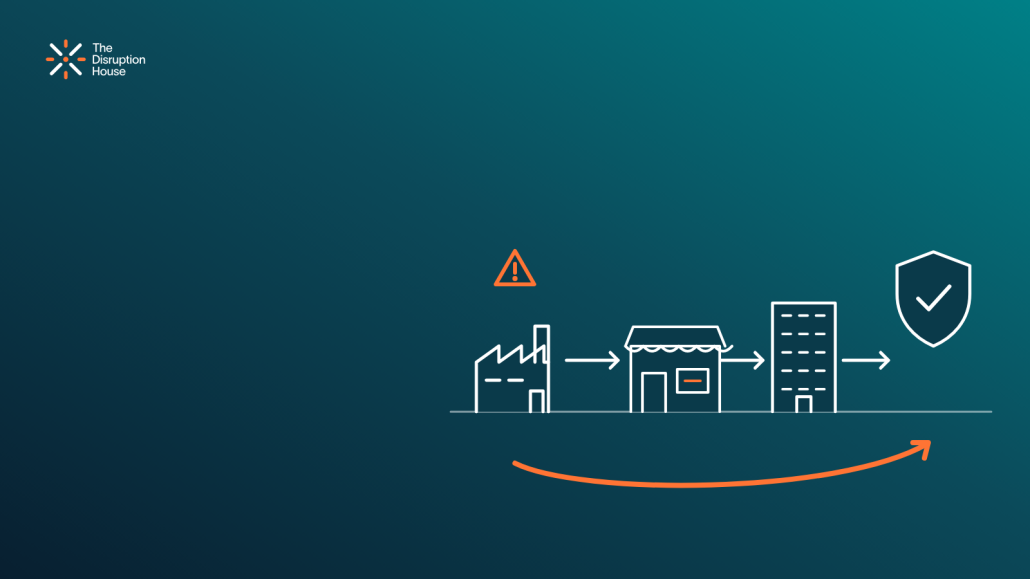
When a heatwave shuts a warehouse or a flood takes out a component maker, the loss rarely stops at that site. It ripples through to the larger corporates that depend on those suppliers. From there it reaches the business interruption, contingent business interruption and trade credit cover written against those corporates.
Most of these suppliers are mid-market companies, such as:
- Regional manufacturers and processors
- Logistics, storage and distribution firms
- Food, packaging and component suppliers
Individually, they rarely appear on an underwriter’s radar. Collectively, they carry much of the physical risk in a corporate’s value chain. A supplier with continuity plans, multiple sites and published climate policies is a very different risk from a sector neighbour with none.
Why Underwriters Can’t See It Clearly
Large listed companies publish detailed climate disclosures. Mid-market suppliers publish too, through websites, policies, certifications and sustainability reports. But that evidence is fragmented and not streamlined into anything an underwriting team can compare.
So underwriters fall back on sector proxies and questionnaires. Proxies treat two suppliers in the same industry as identical, while questionnaires depend on willing participation and often go unanswered.
Meanwhile, expectations are rising. ORSA processes and frameworks such as TNFD increasingly ask insurers to understand climate- and nature-related dependencies across their exposures, not just at the top of the value chain.
What This Means for Insurers
Adaptation pressure is now a supply chain question. The physical risk that COP31 is struggling to fund will show up first in the suppliers underwriters see least clearly. The insurers that price it well will be those that replace assumptions with evidence. That means what a supplier has actually disclosed about its practices, policies and preparedness, benchmarked against comparable peers. It also means looking past the policyholder to the companies it relies on.
About Public Disclosure Analysis
The Disruption House’s public disclosure analysis assesses UK mid-market companies, typically with turnover between £2m and £100m, using the evidence they already publish. Website disclosures, policy documents, sustainability reports and certifications are analysed and benchmarked against sector, industry and revenue group peers.
Results are delivered through custom dashboards or via API. Underwriting and risk teams get a consistent view of counterparties and suppliers with zero or limited company engagement.
See the Suppliers Behind the Risk
Want to understand the resilience of the mid-market suppliers behind your portfolio? Click Contact Us to talk to our team.