
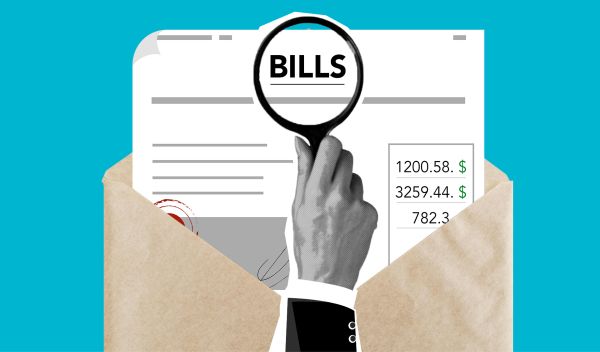
From April 2026, energy bills in the UK are becoming more “transparent.” But for most retail and hospitality SMEs, that transparency risks creating a dangerous illusion.
At first glance, unit rates will appear lower. For a restaurant owner or hotel operator already under pressure, that looks like relief. It is not. The reality is that costs are simply being rearranged. Levies that were once embedded in the unit price are being pulled out and listed separately, while non-commodity costs such as network and system charges continue to rise independently of contracts.
This shift matters because it changes how energy costs are understood and, more importantly, how they are misinterpreted.
The UK energy system has always included a complex mix of additional charges. Mechanisms such as the Climate Change Levy, Contracts for Difference, Renewables Obligation and Feed-in Tariffs, alongside network costs like DUoS and TNUoS, have long made up a portion of total energy spend. What is changing in 2026 is not the cost itself, but its visibility. And that creates risk.
For SMEs without dedicated energy expertise, pricing has traditionally been judged on a single number: the unit rate. Brokers have relied on this simplicity, often embedding hidden fees and commissions into contracts. The result is a market where businesses struggle to understand what they are actually paying for.
The need for accurate data has been shown in the past few months where we have helped a number of firms identify savings hidden costs and a lack of transparency.
A sports Club – £130,000 from hidden Broker Fees, Bill Errors and Tolerance Breaches
A Manufacturing Company – £350,000 from hidden broker fees, incorrect meter classifications and hidden auto-renewal clauses
A hotel chain – £75,000 from hidden broker fees and hidden auto renewal payments.
Now, with more costs sitting outside the unit rate, that single headline number becomes even less meaningful.
The result is a new kind of exposure. Businesses may believe they have secured a better deal because the rate looks lower, while total costs remain unchanged or even increase. At the same time, a growing share of spend sits in charges that fluctuate over time, beyond the control of the contract itself.
For retail and hospitality where energy is a direct hit to the bottom line, this is not just an accounting nuance. It is a control problem.
This is exactly where The Disruption House, through disruptmyenergybill, changes the equation.
Instead of relying on headline rates, the platform analyses the full structure of energy costs. Every line item is validated, from unit charges to non-commodity costs, ensuring businesses understand what they are actually paying. It identifies discrepancies, flags unexpected increases, and removes the dependency on brokers who profit from complexity. In a market where many UK businesses are overcharged and hidden fees can inflate costs by up to 30%, this level of scrutiny is no longer optional.
Crucially, it also provides continuous oversight. As non-commodity charges evolve, businesses are not left reacting to surprises on invoices. They have a clear, real-time view of their total energy position, allowing them to manage costs proactively rather than retrospectively.
The restructuring of energy bills in 2026 is being framed as a move towards clarity. In practice, it shifts complexity into plain sight. For SMEs, the challenge is no longer just finding a good rate. It is understanding the full cost behind it.
And in that environment, visibility is no longer a nice-to-have. It is the difference between control and continued overpayment.