Next Monday, negotiators arrive in Antalya for COP31, the UN climate summit running from 9 to 20 November.
Most of the commitments made there will not be delivered in Antalya. They will be delivered, or quietly missed, in credit decisions banks make about the businesses on their books.
For UK banks, that means the SME portfolio. And that is exactly where the Data Gap is widest.
Climate Finance Is Slowing, and the Pressure Moves to Lenders
According to an analysts’ brief published by law firm Steptoe on 2 November, COP31 inherits climate finance targets that remain far from being met, and growth in climate finance is slowing just as adaptation pressures rise. When public money moves slowly, expectations shift to private lenders to carry the transition.
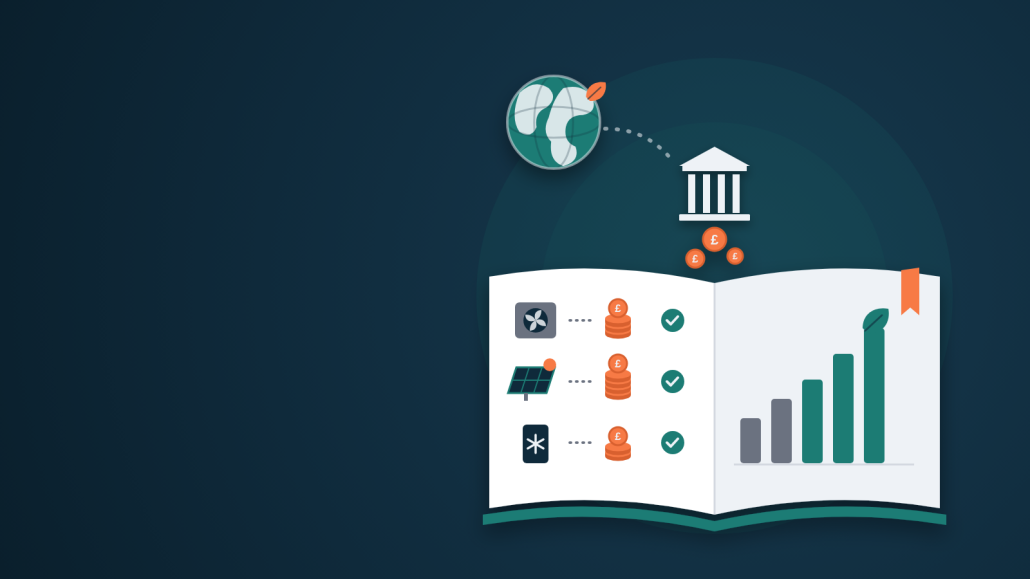
For a bank, that expectation lands in practical places:
- A hotel group asking to finance a heat pump retrofit
- A food manufacturer weighing up rooftop solar
- A retailer replacing ageing refrigeration across 20 sites
Each is a transition finance opportunity. Each also needs a credit team to judge whether the investment stacks up, and what it will change.
The Missing Piece Is SME Energy Information
To make those judgements well, a bank needs to understand how much energy a business uses, what it pays and where the biggest reductions sit. For most SME customers, that information already exists in bills, meter data and supplier contracts. It is fragmented and not streamlined into anything a lender can use.
So relationship managers fall back on sector averages. A café and a commercial bakery can look identical on paper, even though their energy profiles and transition needs are completely different. That makes transition lending harder to price, harder to evidence and easier to push down the list.
It also creates a supervisory problem. Under PRA SS5/25, banks are expected to show how they identify and manage climate risk across their portfolios. Proxy data can fill a reporting template, but it rarely holds up as evidence behind an individual lending decision.
Why the Summit Matters on Monday Morning
COP31 will set direction. Whether that direction turns into funded projects depends on what happens at the point of lending, one SME conversation at a time.
What This Means for Banks
The banks that gain most from the transition will be the ones that can see their SME customers clearly. That starts with a company’s own energy evidence, gathered once and kept current, rather than re-surveyed every year.
With that in place, relationship managers can open better conversations, credit teams can back transition proposals with confidence, and portfolio reporting rests on evidence rather than estimates.
About the Climate Action Platform
The Climate Action platform, developed and deployed by NatWest and National Australia Bank, is built on The Disruption House’s sustainability intelligence. It collects energy information on a bank’s SME clients, giving banking teams a clearer basis for transition finance decisions across their portfolio.
Talk to Us
Want to see how the Climate Action platform could support transition finance decisions in your SME portfolio? Click Contact Us to speak to our team.