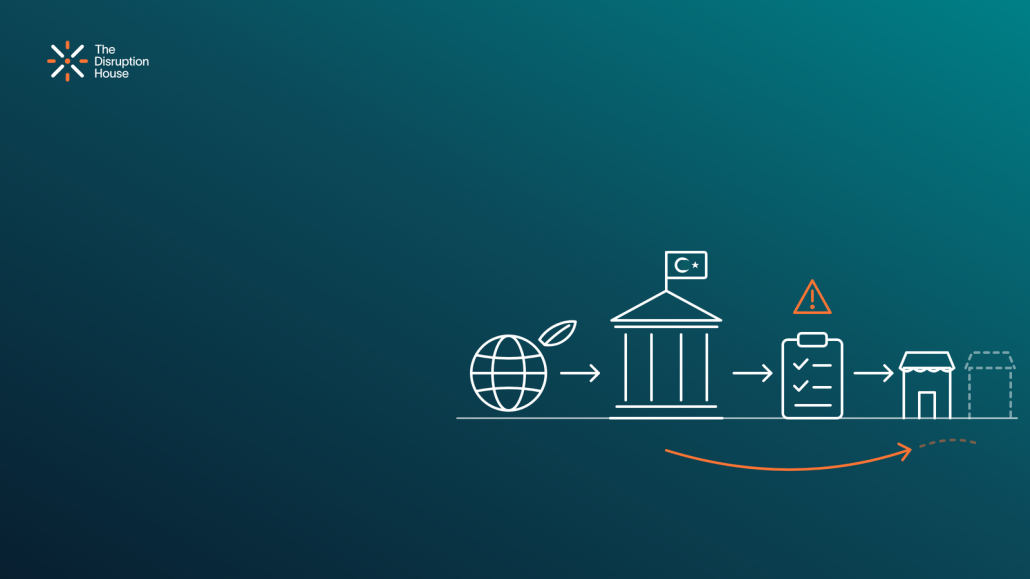
COP31 in Antalya wasn’t only about negotiating texts. It was also a week of signings, and Turkish banks were among the busiest at the table.
Türkiye itself signed a $1.6 billion financing agreement with the Asian Infrastructure Investment Bank to support climate policy reforms, including the rollout of its emissions trading system. Around it, commercial lenders secured long-term international funding of their own.
Who Signed What
Several Turkish banks made public announcements during the summit:
- Türk Eximbank signed four loans with KfW, the World Bank’s IBRD and AIIB, totalling more than $800 million for exporters
- QNB Türkiye agreed five-year arrangements of up to $500 million with ADB, AIIB, the EBRD, FMO and IFC, including a proposed Nature Bond
- DenizBank signed a €175 million package with the EBRD, including up to €75 million under its Green Economy Financing Facility
Where the Money Goes Next
Much of this capital won’t stay on the banks’ balance sheets. It will be lent on to the businesses that make up the Turkish economy, many of them SMEs.
According to the EBRD, its DenizBank package will help the bank offer longer-term finance to micro, small and medium-sized businesses led by women and young entrepreneurs, while accelerating green investment across the country.
That’s where pledges meet practice. Each facility comes with eligibility rules and impact reporting. A bank needs to show which SMEs received funding, what they used it for and what changed as a result.
What We’re Hearing from Banks
This is also what we’re hearing from the banks we’re speaking with, in Türkiye and beyond. Access to international capital is rarely the bottleneck. Deploying it efficiently is.
The same issues come up again and again:
- Checking SME eligibility one customer at a time is slow and costly
- Impact reporting relies on surveys that SMEs struggle to complete
- Data is fragmented and not streamlined, making it hard to compare across a portfolio
- Every facility asks for something slightly different
When verification costs more than the loan can carry, smaller businesses get left out. That’s the opposite of what these facilities are designed to do.
What This Means for Banks
COP31 has given Turkish banks more long-term capital for climate and inclusion than many have seen in years. The test now is whether it reaches the businesses it was meant for.
Banks that can evidence SME eligibility and impact consistently will deploy faster and report with more confidence. They’ll also be better placed when the next round of funding is agreed.
About the Climate Action Platform
The Climate Action platform, developed and deployed by NatWest and National Australia Bank, is built on TDH’s sustainability intelligence. It collects energy information from a bank’s SME customers and helps them build their own sustainability data profile with relevant actions. The bank gets consistent, customer-level data to support financed emissions reporting and transition finance decisions.
Talk to Our Team
Deploying international funding through your SME book? Click Contact Us to talk to our team.